
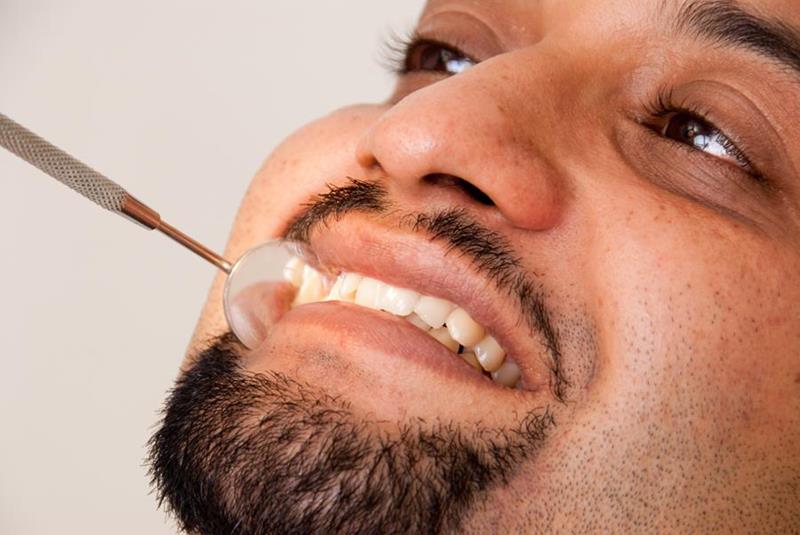
When You Need a Windermere Tooth Extraction Dentist: What to Know First
A windermere tooth extraction dentist can do more than just remove a painful tooth — the right care at the right time can protect your entire smile from further damage.
If you’re in pain or unsure whether you need an extraction, here’s a quick summary:
- Tooth extractions are a last resort. Dentists only recommend removal when a tooth can’t be saved with a filling, crown, or root canal.
- Two main types exist: simple extractions (for visible teeth) and surgical extractions (for impacted or broken teeth).
- Pain during the procedure is minimal. Local anesthesia numbs the area completely. You may feel pressure, but not pain.
- Recovery typically takes 1–2 weeks. Most patients feel noticeably better within a few days.
- Missing teeth can be replaced. Dental implants, bridges, and dentures are all options to restore your smile after extraction.
- Same-day and emergency extractions are available in Windermere for severe pain, infection, or trauma.
Nearly 92% of people will experience a cavity at some point in their lives, and deep decay alone accounts for around two-thirds of all tooth extractions. In other words, this is one of the most common dental procedures — and nothing to fear when you’re in the right hands.
I’m Dr. Sandra Puerto, a cosmetic and family dentist with advanced training from Nova Southeastern University and extensive experience helping patients in the Windermere area navigate tooth extractions and smile restoration as part of comprehensive dental care. As your windermere tooth extraction dentist, my goal is always to make the process clear, comfortable, and as stress-free as possible — so keep reading to understand exactly what to expect at every step.
Handy windermere tooth extraction dentist terms:
- best implant dentist windermere
- windermere dental exam cost
- windermere invisalign treatment cost
Why You Might Need a Windermere Tooth Extraction Dentist
While our ultimate goal in modern dentistry is always to preserve your natural teeth, there are times when keeping a compromised tooth does more harm than good. When a tooth becomes a liability to your overall health, a windermere tooth extraction dentist steps in to safely remove it and protect your remaining smile.
Several common scenarios can lead to this recommendation:
- Severe Decay: When a cavity is left untreated for too long, bacteria eat through the enamel, dentin, and deep into the pulp. If the structure of the tooth is completely destroyed, even root canal therapy cannot save it. According to Scientific insights on severe decay and tooth loss, deep decay is the leading cause of adult tooth loss.
- Advanced Periodontal Disease: Gum disease is a silent smile-killer. It attacks the gum tissue and the underlying alveolar bone that anchors your teeth in place. As the bone dissolves, teeth become loose and may need to be extracted to halt the spread of infection.
- Tooth Trauma: A sudden sports injury at the local park, a car accident, or biting down on something unexpectedly hard can fracture a tooth. If the crack extends vertically beneath the gumline, the tooth is considered non-restorable and must be removed.
- Orthodontic Preparation: Sometimes, a beautiful smile requires making a little room. If you are preparing for clear aligners or braces to correct severe crowding, we may need to remove one or more teeth to allow the remaining teeth to align perfectly.
- Impacted Wisdom Teeth: Third molars often lack the space to emerge properly. They can become trapped (impacted) in the jawbone, causing pain, cyst formation, or damage to adjacent healthy molars.
To determine if an extraction is truly necessary, we always begin with a comprehensive clinical evaluation. If you are curious about the diagnostics involved, you can read More info on dental exam costs to understand how we map out your treatment plan.
Simple vs. Surgical Extractions: How Dentists Decide
How do we decide which approach to take when you visit our office? It all comes down to visibility and accessibility. No two teeth are exactly alike, which is why we rely heavily on advanced diagnostic tools to customize your procedure.
Before we touch a single instrument, we take detailed digital X-rays and 3D imaging. This allows us to evaluate:
- The exact shape, length, and curvature of the tooth roots.
- The density and structure of the surrounding jawbone.
- The proximity of the roots to vital anatomical structures, such as the sinus cavities in the upper jaw or the mandibular nerve in the lower jaw.
If the tooth is fully visible above the gumline and has straightforward root structures, we can proceed with a simple extraction. However, if the tooth has broken off at the gumline, has curved roots, or remains trapped beneath the bone, a surgical extraction is required.
When a Windermere Tooth Extraction Dentist Performs a Simple Extraction
A simple extraction is a straightforward, non-surgical procedure performed on a tooth that is fully erupted and easily accessible.
Here is what the process typically looks like:
- Numbing: We administer a local anesthetic to completely numb the tooth, surrounding gums, and bone tissue. You will remain fully awake, but you won’t feel any pain.
- Loosening: We use a specialized dental instrument called an elevator to gently wiggle the tooth back and forth within its socket, gradually severing the tiny periodontal ligaments holding it in place.
- Removal: Once the tooth is sufficiently loose, we use dental forceps to gently lift the tooth out.
- Aftercare Prep: We place a clean piece of sterile gauze over the socket and have you bite down to help form a healthy blood clot.
For a detailed clinical breakdown of this process, check out this Clinical guide on simple extractions.
When a Windermere Tooth Extraction Dentist Recommends Surgical Removal
If a tooth is structurally compromised or has not fully emerged, a surgical extraction is the safest path forward. This is highly common for impacted wisdom teeth, severely decayed teeth that crumble under pressure, or teeth with complex, multi-rooted shapes.
During a surgical extraction, we:
- Make a tiny, precise incision in the gum tissue to gain clear access to the underlying tooth and bone.
- Carefully remove a small amount of surrounding bone if it is blocking the tooth’s exit path.
- Section (cut) the tooth into smaller, manageable pieces so we can extract them gently one by one, rather than trying to force the entire tooth out at once.
- Clean the socket thoroughly and place dissolvable stitches to close the gum tissue and promote rapid, comfortable healing.
What to Expect During Your Extraction Procedure
We understand that hearing the word “extraction” can trigger instant dental anxiety. That is why we have designed our entire clinical experience around patient comfort, advanced dental technology, and gentle techniques.
Sedation and Anesthesia Options for Maximum Comfort
You do not have to let fear stand in the way of a healthy mouth. We offer custom sedation options to match your comfort level:
- Local Anesthesia: This is the baseline for every extraction. We use advanced numbing agents to ensure you feel absolutely zero pain—only mild, non-painful pressure as we work.
- Nitrous Oxide (Laughing Gas): Inhaled through a comfortable nose mask, nitrous oxide induces a sweet state of relaxation and light euphoria. The best part? It wears off within minutes of turning off the gas, meaning you can safely drive yourself home from our office.
- Oral Conscious Sedation: We prescribe a gentle sedative pill for you to take shortly before your appointment. You will arrive feeling deeply relaxed and drowsy, though still able to respond to our team. Note: This option requires a designated driver to bring you to and from your visit.
- IV Sedation Referrals: For highly complex surgical cases or extreme dental phobia, we maintain close relationships with trusted local oral surgeons right here in Southwest Orlando to ensure you can receive deep sedation safely.
Ensuring Patient Comfort and Safety During Extractions
Your safety is our absolute priority. To ensure a seamless and complication-free visit, we implement strict clinical protocols:
- Medical History Reviews: We look closely at any medications you are taking—especially blood thinners or bone-density drugs—that could affect blood clotting or bone healing.
- Blood Pressure Screening: Because stress and dental anxiety can temporarily elevate your blood pressure, we check your vitals before starting to ensure it is safe to proceed.
- Sterilization Excellence: Our state-of-the-art sterilization equipment exceeds all state and federal guidelines, minimizing any risk of post-operative infection.
The Recovery Timeline and Aftercare Instructions
What you do after leaving our office is just as important as the procedure itself. Proper aftercare ensures that a healthy blood clot forms in the empty socket, which shields the exposed bone and nerves while your gums regenerate. If this clot is dislodged or fails to form, it can lead to a highly painful condition known as dry socket.
To keep your healing on track, we have compiled a quick-reference guide of the absolute do’s and don’ts of tooth extraction recovery:
What to DO 🟢 What to AVOID Bite on gauze firmly for 30–45 minutes immediately after the procedure to help a clot form. Do NOT use a straw or spit forcefully, as the suction can easily dislodge the blood clot. Apply a cold compress to your cheek (20 minutes on, 20 minutes off) to minimize swelling. Do NOT smoke or use tobacco for at least 72 hours, as chemicals delay tissue healing. Stick to soft foods like yogurt, mashed potatoes, applesauce, and lukewarm soups. Do NOT eat crunchy, spicy, or hot foods that can irritate or get trapped in the socket. Keep brushing and flossing your other teeth, but be extremely gentle around the surgical site. Do NOT engage in heavy exercise or heavy lifting for the first 24 to 48 hours.
Most patients experience a dramatic reduction in discomfort within 48 to 72 hours. However, complete bone and soft tissue regeneration in the socket typically takes 1 to 2 weeks. If you experience worsening pain, swelling, or bleeding after the third day, contact us immediately.
Replacing Your Extracted Tooth to Restore Your Smile
Once a tooth is gone, the clock starts ticking. Leaving an empty space in your mouth does more than just affect your confidence when you smile; it can lead to a domino effect of oral health issues.
Without a tooth root to stimulate the jawbone, the bone tissue in that area begins to resorb (shrink) over time. This loss of bone structure can cause your cheeks to look hollow, prematurely aging your face. Furthermore, the neighboring teeth will slowly drift and tilt into the open gap, throwing off your bite and potentially leading to TMJ pain or uneven wear.
Fortunately, modern restorative dentistry offers incredible options to rebuild your smile. If you are planning orthodontic treatment down the road to align your remaining teeth, you can explore More info on Invisalign costs and financing to see how we budget for complete smile transformations.
Dental Implants and Bridges
For a permanent, lifelike solution, we highly recommend:
- Dental Implants: Widely considered the gold standard of tooth replacement, a dental implant consists of a tiny titanium post surgically placed into your jawbone. It acts as a prosthetic tooth root, preserving your bone structure and supporting a custom, hand-crafted porcelain crown.
- Dental Bridges: If you prefer a non-surgical option, a dental bridge uses the healthy teeth on either side of the gap as anchors (abutments) to suspend a beautiful prosthetic tooth (pontic) right over the empty space.
Dentures and Partials
If you are replacing multiple missing teeth, removable options can quickly restore both function and aesthetics:
- Partial Dentures: These custom appliances feature natural-looking prosthetic teeth attached to a gum-colored base. They utilize discreet metal or aesthetic clasps to latch onto your remaining natural teeth.
- Full Dentures: If an entire arch of teeth requires extraction due to severe decay or periodontal disease, a full denture offers a beautiful, complete set of new teeth to restore your confidence, speech, and chewing ability.
Emergency and Same-Day Extractions in Southwest Orlando
Dental emergencies do not wait for a convenient time. Whether you have a throbbing toothache that kept you awake all night, a painful dental abscess, or a tooth that was fractured during a weekend soccer match, you need relief—and you need it fast.
We reserve dedicated time in our daily schedule to accommodate same-day emergency dental appointments for patients in Windermere, Ocoee, Winter Garden, Dr. Phillips, Horizon West, Gotha, Bay Hill, Lake Butler, and Oakland.
If you are experiencing severe swelling, fever, or a foul taste in your mouth alongside a toothache, do not wait. An untreated dental infection can spread to other areas of your body, turning a dental issue into a systemic medical emergency. If you are curious about typical cost structures for urgent diagnostic visits, check out More info on teeth cleaning prices for a clear look at preventive and diagnostic pricing.
Frequently Asked Questions About Tooth Extractions
How much does a tooth extraction cost in Windermere?
The cost of a tooth extraction in Windermere varies depending on the complexity of the tooth’s position and whether it is a simple or surgical procedure. Simple extractions are generally highly affordable, while surgical extractions (such as removing an impacted wisdom tooth) require more time and specialized techniques.
To help make essential dental care accessible, we accept a wide range of PPO dental insurance plans and offer flexible, budget-friendly financing options through trusted partners like CareCredit.
How long does it take to recover from a tooth extraction?
Most patients are able to return to light, non-strenuous daily activities within 24 to 48 hours. While the initial discomfort and swelling will subside dramatically within the first 3 to 5 days, the soft tissue in your gums will take about 1 to 2 weeks to heal completely over the socket. The underlying jawbone will continue to fill in and remodel over the course of several months.
Can a dental infection spread if the tooth is not extracted?
Yes, absolutely. A tooth infection (abscess) will not go away on its own. If the source of the infection—the dead pulp inside the tooth—is not removed via root canal therapy or tooth extraction, the bacteria will continue to multiply.
The infection can travel through the roots into your jawbone, adjacent teeth, and eventually enter your bloodstream, which can lead to serious, life-threatening systemic conditions.
Conclusion
At Inspired Dental, we believe that a tooth extraction doesn’t have to be a scary or stressful experience. By combining advanced diagnostic technology, a gentle touch, and personalized comfort options, we ensure that your visit is smooth, safe, and entirely pain-free. Our dual focus on long-term oral health and facial aesthetics means we don’t just focus on removing the problem—we focus on rebuilding a healthy, radiant smile that you will love showing off to the world.
Whether you are dealing with a nagging toothache in Horizon West or preparing for a complete smile makeover in Windermere, we are here to support you at every stage of your dental journey.
Don’t let dental pain hold you back from living your best life. Schedule a general dentistry consultation in Windermere with our team at Inspired Dental today, and let us help you take the first step toward a healthy, pain-free smile!