
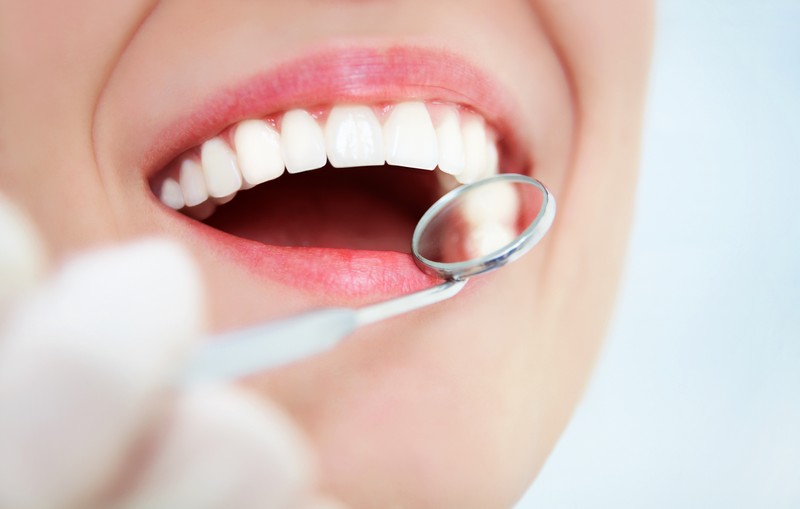
 Why Composite Dental Veneers Cost More Than You Expect — and Less Than You Fear
Composite dental veneers cost anywhere from $250 to $1,500 per tooth in the U.S. in 2026. Here’s a fast breakdown before we dig into the details:
Veneer Type Cost Per Tooth Lifespan In-office composite (direct) $500 – $1,250 5 – 7 years Lab-made composite (indirect) $800 – $1,950 5 – 10 years Porcelain veneers $900 – $2,500 10 – 20 years Full set (6 – 8 composite teeth) $2,000 – $8,000+ 5 – 10 years
Most patients are surprised by how wide that range is. A veneer that costs $400 at one office might run $1,500 at another — for what sounds like the exact same procedure. That gap isn’t random. It reflects real differences in how the veneer is made, who is making it, and where you live.
The price you see advertised is almost never the full story. Consultation fees, prep work, and follow-up visits can add up quickly. And if you pick the wrong material for your goals, you may end up paying twice within a decade.
This guide cuts through the confusion so you can walk into your consultation knowing exactly what drives the price — and what questions to ask.
I’m Dr. Sandra Puerto, a cosmetic dentist at Inspired Dental with advanced training from Nova Southeastern University and hands-on experience helping patients navigate composite dental veneers cost as part of real smile makeover planning. As a member of the ADA and FDA, I’ll walk you through everything you need to make a confident, informed decision.
Relevant articles related to composite dental veneers cost:
- are veneers permanent
- veneers and preventive dentistry
Understanding the Upfront Composite Dental Veneers Cost
When researching the financial side of a smile transformation, it helps to understand that “composite” isn’t just one single product. The total composite dental veneers cost you will pay depends heavily on whether your dentist sculpts the material directly onto your teeth or partners with a specialized dental laboratory to manufacture them.
According to national dental fee surveys in 2026, the national average cost for a single composite, lab-manufactured veneer is $1,068, with a typical range of $783 to $1,760. Meanwhile, if a composite veneer is made directly in a dentist’s office, the national average cost drops to approximately $751, with a typical range of $541 to $1,220.
At a mainstream, high-quality cosmetic practice, most patients find that their out-of-pocket costs land between $500 and $1,500 per tooth for composite restorations. Let’s look at the mechanical and clinical reasons behind these different price points.
Direct vs. Indirect: How Application Affects Your Composite Dental Veneers Cost
The primary clinical distinction that drives your upfront cost is the fabrication method:
- Direct Composite Veneers: These are applied “chairside” in a single visit. We carefully apply layers of tooth-colored composite resin (the same durable material used for modern dental fillings) directly to your natural teeth. We sculpt, shape, and cure the resin using a special high-intensity light, then polish it to a natural luster. Because there are no dental lab fees and the treatment is completed in one session, direct veneers are the most budget-friendly option upfront.
- Indirect Composite Veneers: These require two appointments. During your first visit, we prepare your teeth and take highly accurate digital impressions. We send these impressions to a dental laboratory, where a skilled technician custom-fabricates the veneers using specialized equipment. At your second appointment, we bond these finished shells to your teeth. While indirect composite veneers offer enhanced structural density and slightly better stain resistance, the necessary lab fees and additional chair time raise the average cost per tooth.
Regional Price Variations: Florida and Southwest Orlando Market Rates
Dental fees are heavily influenced by local real estate, operating overhead, and regional demand. In the state of Florida, the average cost for a single lab-manufactured composite veneer sits at $1,052, which aligns closely with the national average.
However, within Florida, prices vary by city and neighborhood. In high-overhead metro areas like Miami, basic composite veneers can range from $250 to $500 per tooth, while premium composite veneers crafted by elite cosmetic specialists can range from $1,000 to $1,500 per tooth.
Here in Southwest Orlando—specifically in upscale residential communities like Windermere, Winter Garden, Dr. Phillips, Horizon West, and Bay Hill—fees reflect the high concentration of advanced cosmetic practices. While you might find lower baseline rates in smaller, rural markets, local families in Lake Butler, Gotha, Oakland, and Ocoee benefit from highly competitive, world-class cosmetic care right in their backyard. This local access eliminates the need to travel to high-stress metro centers for premium results.
Composite vs. Porcelain Veneers: Upfront Price vs. Long-Term Value
The choice between composite resin and porcelain is the most significant financial decision you will make during your smile design process. While composite is much cheaper upfront, analyzing the “annualized cost” over time reveals a very different financial picture.
Porcelain veneers represent a higher upfront investment—typically averaging $1,359 to $1,765 per tooth (with a common range of $900 to $2,500+). However, porcelain is incredibly durable, highly stain-resistant, and boasts an average lifespan of 10 to 20 years with proper care.
In contrast, composite veneers are more porous and susceptible to chipping and gradual staining from coffee, tea, or red wine. They typically last 5 to 7 years (or up to 10 years under ideal maintenance conditions) before requiring replacement.
Let’s look at the long-term math:
- Composite Veneer: If you pay $1,000 for a lab-made composite veneer that lasts 6 years, your annualized cost is approximately $167 per year.
- Porcelain Veneer: If you invest $1,500 for a premium E-Max porcelain veneer that lasts 18 years, your annualized cost drops to just $83 per year.
To help you compare your options side-by-side, we have outlined the key differences below:
Feature Composite Resin Veneers Porcelain Veneers Upfront Cost Per Tooth $500 – $1,500 $900 – $2,500+ Average Lifespan 5 – 7 years 10 – 20 years Annualized Cost (Est.) ~$167 per year ~$83 per year Stain Resistance Moderate (can stain over time) High (virtually stain-proof) Repairability Can be patched chairside for $50–$100 Cannot be patched; requires full replacement Enamel Preparation Minimal to none (often reversible) Conservative reduction (0.3mm – 0.5mm) Number of Appointments 1 visit (for direct bonding) 2 to 3 visits
To dig deeper into how materials affect pricing and aesthetics, read our comprehensive Windermere Veneers Cost Guide or explore our comparison of Porcelain vs. Composite Pricing — ToothCostGuide.
Key Factors That Influence Your Final Smile Makeover Price
When you receive a personalized cosmetic treatment plan, the final fee is shaped by several distinct clinical variables:
- Dentist’s Experience and Artistry: Cosmetic dentistry is not a formally regulated specialty in the U.S., meaning any general practitioner can market themselves as a cosmetic dentist. Practitioners with extensive advanced training and recognized credentials (such as those affiliated with the American Academy of Cosmetic Dentistry) typically charge a 20% to 40% premium. This fee reflects their advanced smile design skills, precise bite management, and clinical artistry.
- Material and Laboratory Fees: High-quality cosmetic outcomes require premium materials. If your dentist uses top-tier, micro-hybrid composite resins or partners with a world-class dental laboratory employing master ceramists, these costs will be reflected in your per-tooth rate.
- Procedure Complexity: Before placing veneers, your mouth must be healthy. If you have active gum disease, decay, or severe bite misalignment, these issues must be resolved first. Preparatory treatments like cosmetic gum recontouring, minor orthodontic alignment, or professional teeth whitening for adjacent teeth will impact your total investment.
For a detailed look at local cosmetic dentistry options and what to expect during your first visit, check out our dedicated page on Cosmetic Dentistry Windermere. You can also review broader national data in the National Veneer Cost Guide 2026 | Prices in 50+ U.S. Cities.
How the Number of Teeth Impacts the Total Composite Dental Veneers Cost
A common misconception is that a “smile makeover” requires veneering every single tooth. In reality, most cosmetic treatments focus exclusively on the “smile zone”—the teeth that are visible when you smile naturally.
- The “Social Six”: Many patients choose to treat only the front six upper teeth (canine to canine) to address minor spacing or color issues.
- The Visible Eight: For a wider, more dramatic transformation, treating the eight upper front teeth is common.
- Full Arch Reconstruction: This involves treating 10 to 12 teeth on the upper arch, and occasionally matching teeth on the lower arch, to resolve comprehensive aesthetic and bite issues.
Many dental practices offer volume-based pricing or bundled packages when you treat multiple teeth at once. This is because clinical efficiencies—such as performing diagnostic mock-ups, administering local anesthesia, and managing laboratory shipping—are much more cost-effective when completed in a single, cohesive case rather than treating individual teeth over multiple separate visits.
The Clinical Process: What to Expect and Is It Reversible?
One of the greatest clinical advantages of direct composite veneers is their conservative nature. Traditional porcelain veneers require the permanent, irreversible removal of a thin layer of tooth enamel (usually 0.3mm to 0.5mm) to ensure the porcelain shell sits flush with your gumline.
Direct composite veneers, however, are often considered a reversible treatment. Because the composite resin is applied directly to the outer surface of your tooth, we often require little to no enamel removal. This makes them an excellent, low-risk “test drive” for younger patients (such as those under 30) who want to enhance their smiles without permanently altering their natural tooth structure.
Here is what you can expect during the direct composite veneer procedure:
- Consultation and Smile Design: We discuss your aesthetic goals, assess your bite, and select the ideal composite shade to match your surrounding teeth.
- Preparation: We gently clean the teeth and apply a mild etching gel to create microscopic texture on the enamel. This step is completely painless and ensures a strong physical bond.
- Bonding and Sculpting: We carefully apply the tooth-colored composite resin in thin layers, meticulously shaping the material to correct chips, close gaps, or mask discoloration.
- Curing: We use a specialized light to instantly harden and cure each layer of resin.
- Bite Adjustment and Polishing: We verify your bite to ensure comfort and function, then use fine polishing discs to create a natural, light-reflecting luster.
Because no laboratory fabrication is required, this entire process is typically completed in a single dental visit. If you ever decide to remove your composite veneers in the future, a dentist can safely polish the resin off, returning your teeth to their original state.
Frequently Asked Questions About Dental Veneer Costs
Does dental insurance cover composite veneers?
In almost all cases, dental insurance plans classify composite and porcelain veneers as elective cosmetic procedures. Because they are not considered medically necessary, insurance companies exclude them from standard coverage, leaving patients to pay out-of-pocket.
However, there are two important exceptions to keep in mind:
- Restorative Necessity: If a veneer is required to repair a tooth damaged by physical trauma, severe decay, or structural enamel loss, your insurance plan may partially cover the restoration under restorative benefits (potentially saving you $200 to $500 per tooth).
- HSA and FSA Funds: You can legally use your Health Savings Account (HSA) or Flexible Spending Account (FSA) funds to pay for veneers if your dentist documents that the treatment has a clear restorative or functional component (such as restoring a fractured tooth). Purely cosmetic smile makeovers do not qualify for tax-free HSA/FSA reimbursement.
To help make treatment accessible, we accept a variety of third-party financing options like CareCredit, which offer low-interest and interest-free monthly payment plans.
What is the difference between composite veneers and composite bonding?
While both treatments utilize the exact same tooth-colored composite resin, they differ significantly in their clinical scope, application, and cost:
- Composite Bonding (Direct Bonding): This is a localized, conservative repair. It is typically used to fix minor, isolated flaws—such as patching a single chipped corner, closing a small gap between two teeth, or covering a spot of deep discoloration. Bonding is fast, completed in minutes, and is the most inexpensive option.
- Composite Veneers: This is a full-coverage cosmetic restoration. Instead of patching a localized area, the composite resin is meticulously applied across the entire front surface of the tooth. This allows us to completely redesign the tooth’s shape, length, and color, creating a uniform, cohesive look across multiple teeth in your smile zone.
Is dental tourism to Mexico or Colombia worth the risk for cheaper veneers?
With the rise of social media, dental tourism to destinations like Colombia (where composite veneers can cost between $140 and $250 per tooth) or Mexico has become increasingly popular. While the upfront savings of 70% to 85% sound appealing, patients must carefully weigh the hidden costs and clinical risks:
- Travel and Logistical Expenses: Flights, lodging, meals, and missed work can quickly consume your projected savings, especially for minor treatments of fewer than 6 to 8 teeth.
- Lack of Quality Control: Standards for clinical sterilization, material safety, and professional licensing vary significantly abroad.
- No Local Recourse or Follow-Up: If a veneer chips, debonds, or causes bite pain after you return home, traveling back across the border for a simple adjustment is highly impractical.
- U.S. Dentist Reluctance: Most local U.S. cosmetic dentists are highly reluctant to touch, adjust, or repair dental work performed in foreign clinics due to liability and warranty concerns.
Choosing a local, trusted dental home ensures personalized, ongoing care, immediate help in the event of a chip, and a legally binding standard of clinical safety.
Conclusion
Investing in your smile is a deeply personal decision that goes far beyond simple aesthetics. A beautiful, healthy smile has a profound impact on your self-esteem, professional confidence, and daily quality of life.
Whether you choose direct composite veneers for an affordable, reversible “test drive” or decide to invest in the premium durability of porcelain, the key to avoiding “smile sticker shock” is working with an experienced cosmetic team that prioritizes both your facial aesthetics and your long-term oral health.
At Inspired Dental, we are proud to serve families across Southwest Orlando, including Windermere, Winter Garden, Dr. Phillips, Ocoee, Horizon West, Gotha, Oakland, Lake Butler, and Bay Hill. We believe in complete financial transparency, offering detailed, itemized treatment plans and flexible financing options to fit your unique budget.
Ready to stop guessing and get a clear, personalized plan for your smile? Schedule a cosmetic consultation with us today to explore your options and take the first step toward the confident smile you deserve!