
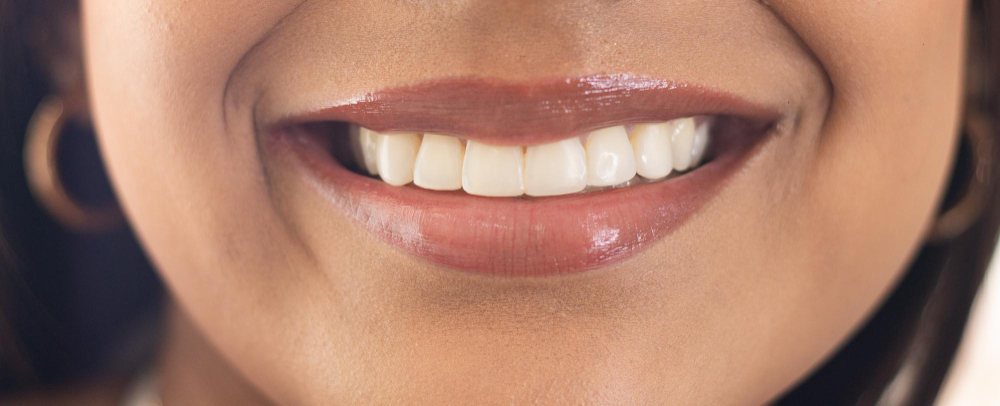
If you’re looking to brighten and improve your smile, but you’re dealing with severe stains, chipped teeth, or unusually shaped teeth, then veneers could be the right fit. Versatile and relatively simple, this treatment can create exceptional results for patients. That’s why the dental team at Inspired Dental is happy to recommend veneers to our patients. If you’re looking to improve your smile, a visit to your dentist in Windermere, FL, for veneers might be the right solution.
Request an AppointmentWhat are Veneers?
Veneers are thin coverings that bond permanently to your teeth, improving the look of your smile. They are a cosmetic treatment to hide aesthetic flaws in your teeth, but they do not add stability to the teeth like a crown does.
Who is a Good Candidate for Veneers?
Veneers are a good option for people who have stained or chipped teeth and want to restore the look of their smile. Some of the types of aesthetic problems these can fix include:
- Chipped teeth
- Large gaps
- Discolored teeth
- Misshapen teeth
- Teeth that are too small for your mouth
- Asymmetrical teeth
You are a good candidate for this treatment if you have good overall oral health and are committed to taking care of your veneers once they’re applied. If you have a lot of cavities or gum disease, you may need to treat these concerns before having veneers placed on your teeth.
Types of Veneers
There are two basic types of veneers you can consider: porcelain and composite. Porcelain veneers are small shells of ceramic that bond to your teeth, covering the unattractive problems. Composite resin veneers are made from tooth-colored resin that bonds directly to the teeth to cover and reshape the teeth. Both offer a durable and effective way to address problems, with their own specific benefits and drawbacks to consider.
Benefits and Drawbacks of Porcelain Veneers
There are several benefits to porcelain veneers. These include:
- Highly stain-resistant
- A durable, permanent option
- Ability to address multiple cosmetic issues
- Require less tooth preparation than crowns and bridges
However, they do have some drawbacks. While they require less tooth preparation than other options, they do require some of your enamel to be removed. Removing the enamel means you can’t change your mind and take off the veneers. Some people experience increased sensitivity in their teeth after the procedure.
Benefits and Drawbacks of Composite Veneers
Composite veneers also have benefits and drawbacks. On the positive side, you will enjoy:
- Lower cost than porcelain veneers
- Less time to apply than traditional veneers
- Versatile for many common aesthetic problems.
The downside to composite veneers is that they may not be an appropriate option for severe problems. The resin material is not as strong as porcelain, so it may chip. You’ll find that you need to replace or repair the composite veneers more frequently.
What to Expect from the Veneer Procedure
At Inspired Dental, our goal is to help you find the cosmetic procedure that will help you achieve the smile you want. If veneers are the right choice, here’s what you can expect. Before we move forward with veneers, we will have a consultation to determine if this is the right treatment and to plan your treatment.
The first step in the veneers procedure is preparing the teeth. Your dentist will likely choose to remove a small amount of your enamel to help the veneers stick ot the teeth. In some cases, you will also have the tooth reshaped to allow the veneer to do its job. Some types of veneers do not require the actual removal of the enamel, but just slight etching.
After the prep, we will take a mold of your teeth and place temporary veneers, if you’re having porcelain veneers. We’ll place temporary veneers to protect your teeth while we make the porcelain ones. If you’re having composite veneers, we may be able to skip this step and move right to application.
Once the teeth are ready, we will apply an adhesive to help the veneer stick. For porcelain veneers, we place the veneer directly on this adhesive. For composite, we shape the resin over the tooth on top of the adhesive.
This process takes two to three weeks, on average. Once you have your permanent veneers placed, you are free to enjoy your newly improved smile. There’s no downtime after the procedure.
How to Care for Veneers
Veneers look and function like your regular teeth, but you do need to use caution to ensure you don’t break them. To take care of them properly, make sure you keep up with your oral health routine. This includes brushing and flossing as well as regular visits to your dentist in Windermere, FL, for cleanings.
Your dentist will also explain the types of foods you should avoid, such as extremely hard or crunchy foods. While you can eat most foods, you need to avoid biting directly into hard, crunchy foods with the teeth that have the veneers. Opt to use your back teeth for these types of foods instead.
When you brush, choose a soft-bristled brush. It’s also best to use a non-abrasive toothpaste that has fluoride in it. You do not want to use whitening products or toothpaste. Your veneers don’t need whitening, and these chemicals can damage them.
Veneers typically resist stains, but you may want to avoid foods that have an extremely high risk of staining, or brush your teeth immediately after eating them. Otherwise, you can talk and eat as you normally would, as long as you keep your teeth clean and get regular checkups.
Veneers vs. Crowns: Which is Right for You?
Veneers only cover cosmetic issues. They are a great option to enhance the appearance of your teeth, but they do not support or strengthen the structure of the tooth. A crown covers the entire tooth and adds protection. It can also strengthen the tooth.
Both crowns and veneers improve the look of your smile, but only crowns can be used to restore badly damaged teeth. If you’re unsure which is right for you, talk to your dentist in Windermere, FL, to discuss your options.
Schedule a Consultation to Discuss Veneer Placement Today
If you’re ready to move forward with veneers, the dental team at Inspired Dental is here for you. Reach out today to schedule a consultation to discuss veneers. Let us help you decide if veneers are the right tool to improve your smile and give you the confidence you deserve.
Frequently Asked Questions About Dental Veneers
How long do dental veneers take?
From start to finish, the dental veneer procedure takes around three weeks to complete.
How many veneers do I need?
The answer to this question depends on the types of corrections you want. If you just want corrections on the visible front teeth, four is sufficient. For most of the visible front teeth, you’ll want eight. Ten is considered a full smile makeover.
Do veneers damage my teeth?
Other than a slight change to the enamel, the veneers don’t hurt your natural teeth. However, you can still have decay that occurs if you don’t keep up with your oral hygiene.
Do veneers hurt?
Veneer placement is a conservative treatment that shouldn’t cause pain. A topical anesthetic is used during the tooth preparation process, and the placement of the veneers themselves is not painful.
Will my teeth hurt after I get veneers?
Some people experience slight tenderness for a few days after the procedure with porcelain veneers, but this typically resolves quickly. If you have highly sensitive teeth, composite bonded veneers may be a better fit.
Are veneers obvious?
If you have a lot of staining or chips, you’ll notice an instant improvement in your smile once your veneers are in place. However, to people who don’t know you have them, veneers are virtually indistinguishable from your natural teeth.
How long do veneers last?
With proper care, porcelain veneers will last 10 to 15 years. If you choose composite, they should last 5 to 7 years.