
Fresh Breath Starts with Finding the Real Cause
Mints, gum, and mouthwash only cover bad breath for a short time. If your breath stays unpleasant no matter how much you brush, there is usually a reason in your mouth, and our team at Inspired Dental in can find it. We look for gum infection, hidden decay, dry mouth, and bacteria buildup, then treat the source so your breath stays fresh. Persistent bad breath is common and very treatable, and our dentists will never make you feel embarrassed for bringing it up.
Book an AppointmentWhat Is Halitosis?
Halitosis is the clinical term for chronic bad breath. Everyone has “morning breath” or a strong odor after a garlicky meal, but halitosis is different. It lasts through the day, returns soon after brushing, and often gets noticed by family members or coworkers before you notice it yourself. In most cases, the odor comes from sulfur compounds released by bacteria living on the tongue, between the teeth, and below the gumline.
The good news is that roughly nine out of ten cases of persistent bad breath start in the mouth, so your dentist is usually the best place to begin. Our general dentistry team evaluates your teeth, gums, tongue, and saliva flow to pinpoint what is feeding the bacteria.
Common Causes of Bad Breath
Bad breath is a symptom, not a diagnosis. These are the most frequent sources we find during exams:
- Plaque and tartar buildup: Bacteria collect on teeth and along the gumline, especially in areas a toothbrush misses.
- Gum disease: Infected gum pockets trap bacteria and debris. Ongoing bad breath or a bad taste is one of the earliest signs of gum disease.
- Cavities and broken fillings: Food and bacteria hide inside tooth decay, worn fillings, or cracked teeth.
- Dry mouth: Saliva rinses away bacteria. Medications, dehydration, aging, and mouth breathing all reduce saliva and allow odor to build.
- Coated tongue: The rough surface at the back of the tongue holds bacteria and is a major source of odor.
- Dental appliances: Dentures, partials, and retainers that are not cleaned daily can harbor bacteria and fungus.
- Crowded teeth: Tight or overlapping teeth trap food and make flossing difficult.
- Tobacco and certain foods: Smoking, vaping, coffee, alcohol, garlic, and onions all contribute.
Less often, bad breath is linked to sinus drainage, tonsil stones, acid reflux, diabetes, or other health conditions. If we rule out dental causes, we will let you know when a visit to your physician makes sense.
Snoring, Mouth Breathing, and Bad Breath
Waking up with very dry mouth and strong morning breath can point to mouth breathing at night. Mouth breathing is common in people who snore and in those with obstructive sleep apnea. Our dentists can screen for signs of a sleep breathing problem and discuss oral appliance therapy through our sleep apnea services. Better airflow at night often means better rest and fresher mornings.
How We Diagnose and Treat Bad Breath
Your visit starts with a conversation about when the odor is worst, your medications, your diet, and your home care routine. We then perform a thorough exam, check gum pocket depths, and take X-rays when needed to look for decay or infection between teeth. Our dental technology helps us spot problems early and show you exactly what we see.
Treatment depends on what we find and may include:
- A professional dental cleaning to remove plaque and hardened tartar, including below the gumline
- Deep cleaning and ongoing periodontal care for gum infection
- Fillings, dental crowns, or other restorative dentistry to seal off decay and broken teeth
- Refitting, repairing, or replacing worn dentures and partials that trap bacteria
- Straightening crowded teeth with Invisalign so they are easier to keep clean
- Recommendations for dry mouth relief, tongue cleaning, and products suited to your needs
If bad breath comes with swelling, a pimple on the gums, or throbbing pain, you may have an abscess. Call us right away or visit our dental emergencies page, and learn more about toothache warning signs.
Tips for Fresher Breath at Home
- Brush twice a day for two full minutes, including the gumline.
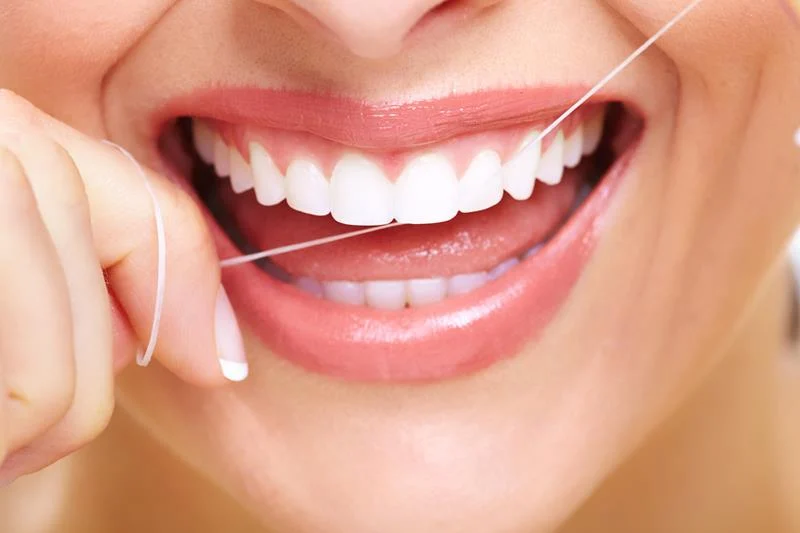
- Floss or use interdental brushes daily to clean between teeth.
- Gently clean your tongue from back to front with a brush or tongue scraper.
- Drink water throughout the day and limit alcohol, coffee, and sugary drinks.
- Chew sugar-free gum to stimulate saliva after meals.
- Remove and clean dentures or aligners every day.
- Replace your toothbrush every three to four months.
- Keep regular checkups and cleanings so small problems never become big ones.
Want to make routine care easier to budget? Ask about our membership plan or review the insurance options we work with. First-time visitors can learn what to expect on our new patients page, and you can explore other common concerns on our conditions we treat page.
Bad Breath Questions We Hear Often
Why do I still have bad breath after brushing?
Brushing cleans the tooth surfaces, but odor-causing bacteria also live on the back of the tongue, between teeth, and in gum pockets. Hidden decay, tartar, gum disease, and dry mouth can all keep odor coming back. A dental exam and cleaning can identify and remove the source.
Can a dentist really fix bad breath?
Yes. Most chronic bad breath starts in the mouth, so treating gum infection, cleaning away tartar, repairing decayed or broken teeth, and addressing dry mouth often resolves the problem. If the cause is not dental, we will point you toward the right medical provider.
Is bad breath a sign of gum disease?
It can be. Persistent bad breath or a lingering bad taste is one of the most common early signs of gum disease, along with bleeding, red, or puffy gums. Catching it early makes treatment simpler and helps protect your teeth and bone.
Does mouthwash cure bad breath?
Most mouthwashes only mask odor for a short time, and alcohol-based rinses can dry the mouth and make breath worse later. Some therapeutic rinses help, but they work best alongside professional treatment of the underlying cause. Ask our team which product fits your needs.
Can dry mouth cause bad breath?
Yes. Saliva naturally washes away food particles and bacteria. When saliva flow drops because of medications, dehydration, aging, or mouth breathing at night, bacteria multiply and odor increases. We can recommend ways to manage dry mouth and protect your teeth.
Can sleep apnea or snoring affect my breath?
People who snore or have sleep apnea often breathe through the mouth at night, which dries the mouth and leads to strong morning breath. Our dentists can screen for signs of sleep-disordered breathing and discuss oral appliance therapy.
How often should I get a cleaning if I struggle with bad breath?
Most patients do well with a cleaning every six months, but if you have gum disease or heavy tartar buildup, we may recommend visits every three to four months. Your dentist will create a schedule based on your gum health.
Breathe Easy and Smile with Confidence
You do not have to keep reaching for mints or worrying about close conversations. Our caring team at Inspired Dental will find what is causing your bad breath and build a plan to keep your mouth healthy and fresh. Call (321) 603-3030 or request your visit online today.