
Stop a Small Crack Before It Splits the Tooth
A cracked tooth rarely heals on its own, and a crack that starts as a faint line can spread deeper with every bite until the tooth breaks or the nerve becomes infected. At Inspired Dental in , we find cracks early, explain exactly what we see, and repair the tooth with the most conservative option that will hold up. If you feel a sharp pain when you chew or release a bite, call us at (321) 603-3030 so we can protect the tooth while it can still be saved.
Book an AppointmentWhat Causes a Tooth to Crack?
Teeth are strong, but they take enormous pressure every day. Over time, small stresses add up, and a single hard bite can be enough to fracture enamel that has already been weakened. The most common causes we see include:
- Clenching or grinding, especially at night (learn more on our teeth grinding page)
- Biting down on ice, popcorn kernels, hard candy, pens or fingernails
- Large, older fillings that leave the remaining tooth walls thin
- Untreated tooth decay that hollows out the tooth from the inside
- Sports injuries, falls and other trauma to the mouth
- Sudden temperature changes, such as hot coffee followed by ice water
- Natural wear as we age
Signs You May Have a Cracked Tooth
Cracks can be hard to spot, and many are invisible to the naked eye. Some patients notice nothing at all, while others feel symptoms that come and go, which makes it easy to put off care. Watch for:
- A sharp, brief pain when you bite down or, especially, when you release the bite
- Sudden tooth sensitivity to hot, cold or sweet foods
- A toothache that is hard to pinpoint to one tooth
- Swelling of the gum around a single tooth
- A rough edge your tongue keeps finding
If you notice any of these, don’t wait for the pain to become constant. Constant pain often means the crack has reached the nerve.
Types of Tooth Cracks
Not every crack is the same, and the type determines the treatment. Craze lines are tiny surface lines in the enamel that are usually cosmetic. A fractured cusp happens when a piece of the chewing surface breaks, often around a filling. A cracked tooth has a line running from the chewing surface toward the root. A split tooth has a crack that has separated the tooth into distinct pieces. A vertical root fracture starts in the root and may not show symptoms until the surrounding gum and bone become infected.
How We Diagnose a Cracked Tooth
During your exam, we use magnification, bite testing and digital imaging to locate the crack and judge how deep it goes. Our dental technology, including intraoral cameras, lets us show you the crack on screen so you can see what we see and make an informed choice. Routine visits for dental cleanings and exams are often where we catch cracks before they cause pain.
Cracked Tooth Treatment Options
Our goal is always to keep your natural tooth whenever we can. Depending on the size and location of the crack, treatment may include:
- Bonding: Tooth-colored resin can seal minor chips and shallow cracks in a single visit. Bonding is part of our general dentistry care.
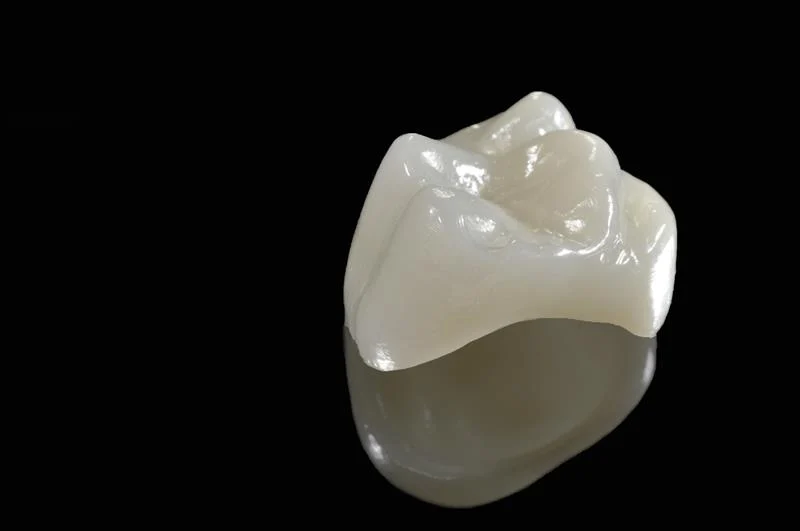
- Dental crowns: A dental crown covers the entire tooth, holds the cracked pieces together and prevents the crack from spreading. This is the most common repair for a cracked tooth.
- Veneers: For cracks and chips on front teeth that affect your smile, dental veneers restore both strength and appearance.
- Root canal therapy: If the crack has reached the pulp, the nerve may need to be treated before a crown is placed.
- Extraction and replacement: When a tooth is split or the crack extends below the gumline, the tooth may not be savable. In that case, dental implants offer a strong, natural-looking replacement.
You can explore all of our repair options on our restorative dentistry page.
What to Do If You Crack a Tooth
Rinse your mouth with warm water, apply a cold compress to your cheek if there is swelling, and chew on the other side until you are seen. Save any broken pieces and bring them with you. If you are in severe pain or a large piece has broken off, treat it as a dental emergency and call (321) 603-3030 right away.
Protecting Your Teeth From Future Cracks
Once your tooth is repaired, a few habits go a long way. Avoid chewing ice and hard objects, wear a mouthguard during contact sports, and ask us about a custom night guard if you clench or grind. Keeping up with regular checkups lets us monitor older fillings and catch weak spots early. If cost is a concern, review our insurance information or our in-house membership plan. You can also browse other issues we treat on our conditions page.
Cracked Tooth FAQs
Can a cracked tooth heal on its own?
No. Unlike bone, tooth enamel cannot repair itself. A crack will stay the same or grow larger over time, so early treatment gives you the best chance of saving the tooth.
Is a cracked tooth a dental emergency?
It can be. Severe pain, swelling, bleeding or a large broken piece should be seen as soon as possible. Even a crack with mild symptoms should be checked promptly before it spreads to the nerve.
Why does my tooth only hurt when I stop biting?
When you bite, the pieces of a cracked tooth flex apart slightly. When you release, they snap back together and irritate the nerve inside. Pain on release is one of the classic signs of a cracked tooth.
Will I need a crown for a cracked tooth?
Many cracked teeth need a crown to hold the tooth together and stop the crack from spreading. Very small chips and surface cracks may only need bonding. We will recommend the most conservative option after your exam.
Can a cracked tooth be saved?
Most cracked teeth can be saved, especially when treated early. If a crack extends below the gumline or splits the tooth, extraction may be necessary, and we can replace the tooth with a dental implant.
Does insurance cover cracked tooth treatment?
Most dental insurance plans cover part of the cost of repairs such as bonding and crowns. Our team will review your benefits with you, and our membership plan is available if you don’t have insurance.
How can I prevent cracked teeth?
Avoid chewing ice and hard objects, wear a mouthguard for sports, wear a night guard if you grind your teeth, and keep up with regular checkups so we can catch weakened teeth and old fillings early.
Get Your Cracked Tooth Checked Today
The sooner a crack is treated, the simpler and more affordable the repair. Our team in will find the source of your pain, walk you through your options and get you biting comfortably again. Call (321) 603-3030 or request your visit online.