
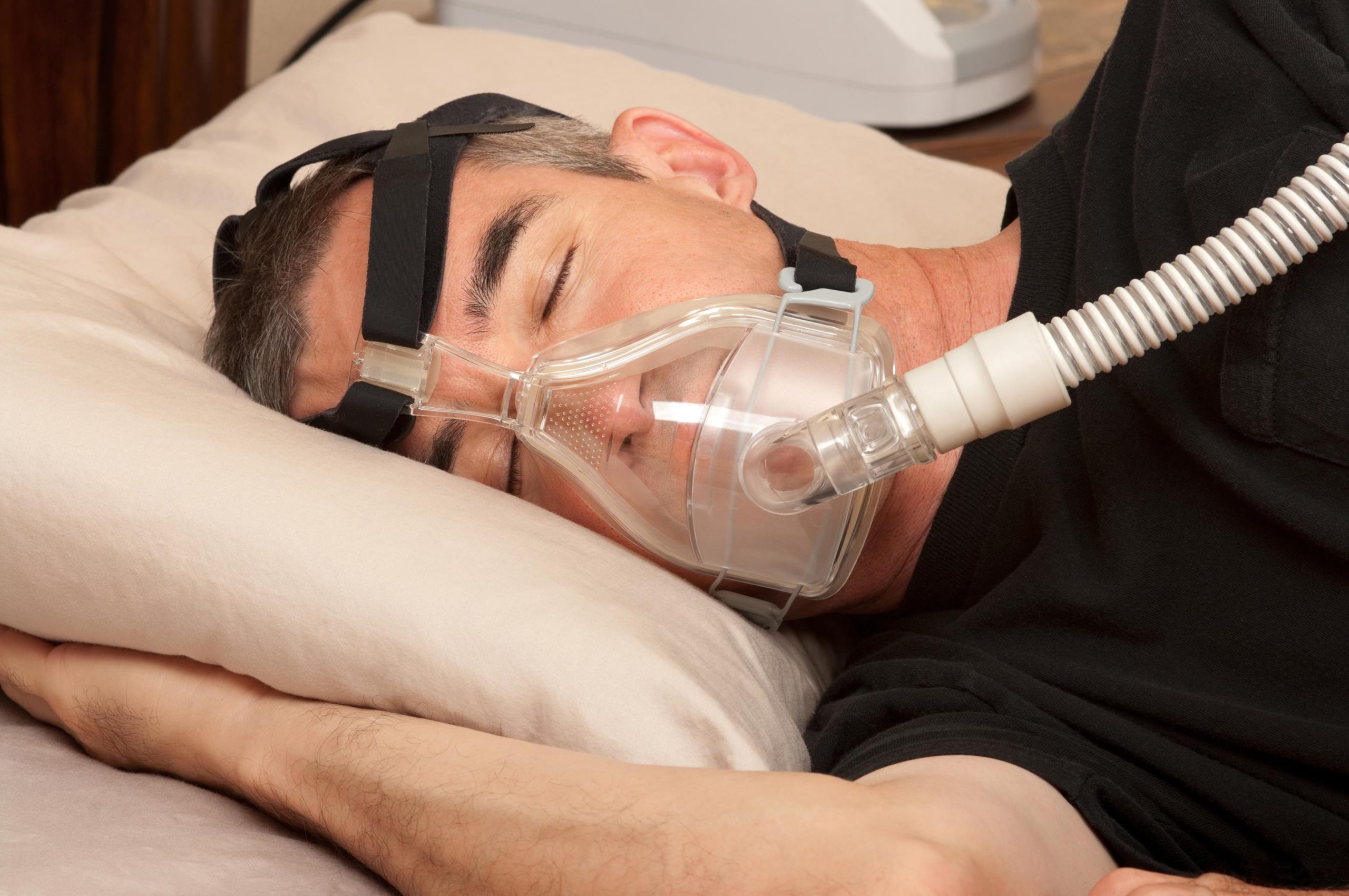
Why Finding the Best Sleep Apnea Oral Appliance Could Change How You Sleep
Finding the best sleep apnea oral appliance can be life-changing — especially if you’ve struggled with a CPAP mask or simply want a simpler, quieter solution.
Here’s a quick look at the top-rated oral appliances most recommended for sleep apnea:
Appliance Best For Key Feature ProSomnus EVO CPAP intolerant patients AI-assisted, precision-milled design SomnoDent Avant Comfort-focused users Soft b-flex liner, nasal breathing design Panthera Classic Wide titration range 16–34mm advancement range Silent Nite 3D Digital workflow 3D-printed, adjustable in 0.5mm increments Glidewell Silent Nite Budget-conscious patients Proven, widely available design
All of the above are custom-fitted devices — not over-the-counter products.
Untreated sleep apnea is serious. It raises your risk of high blood pressure, stroke, and atrial fibrillation — and leaves you exhausted during the day. CPAP therapy is the most well-known treatment, but many people find it uncomfortable, noisy, or hard to use consistently.
That’s where oral appliances come in. These custom-fitted mouthpieces work by gently repositioning your jaw or tongue during sleep to keep your airway open — no mask, no hose, no noise. Research shows they have a ~90% compliance rate, compared to roughly 50% for CPAP. For many patients with mild to moderate obstructive sleep apnea (OSA), they work just as well.
I’m Dr. Sandra Puerto, a dentist with advanced training from Nova Southeastern University and experience helping patients find the right dental solutions for their overall health — including identifying the best sleep apnea oral appliance for their individual needs. In the guide below, I’ll walk you through everything you need to know to make a confident, informed decision.
What Are Sleep Apnea Oral Appliances and How Do They Work?
At Inspired Dental, we focus heavily on airway dentistry. This specialized field looks beyond just your teeth and gums to understand how your mouth, jaw, and throat structures impact your breathing—especially when you are asleep.
A sleep apnea oral appliance is a custom-fit medical device designed to keep your airway clear throughout the night. Unlike a CPAP machine, which uses continuous positive airway pressure to force air down your throat, an oral appliance relies on your natural anatomy. It physically prevents the soft tissues at the back of your throat from collapsing, which is the primary cause of obstructive sleep apnea (OSA).
If you are looking to explore how these dental devices can improve your sleep quality and overall health, you can Learn more about dental sleep medicine to understand the clinical science behind these treatments.
Mandibular Advancement Devices (MADs)
The most common and highly researched type of oral appliance is the Mandibular Advancement Device (MAD). These devices look similar to a sports mouthguard or an orthodontic retainer, but they are far more sophisticated.
An MAD consists of two custom-molded trays—one for your upper teeth and one for your lower teeth—that are connected by a specialized mechanism. This mechanism allows us to precisely control the position of your lower jaw. By shifting the lower jaw slightly forward, the device increases the airway size in the back of your throat.
Because your tongue is naturally anchored to your lower jaw, moving the jaw forward also achieves crucial tongue repositioning. This prevents the tongue from falling backward and blockading your throat when your muscles fully relax during deep sleep.
How Mandibular Advancement Keeps the Airway Open
When you fall asleep, the muscles in your neck, throat, and tongue relax. For individuals with OSA, this relaxation causes these tissues to sag inward, completely or partially blocking the passage of air.
Mandibular advancement addresses this issue through three primary physical mechanisms:
- Gentle Jaw Forward Movement: By holding the lower jaw in a slightly protruded position, the tissues surrounding the airway are pulled taut, preventing them from collapsing inward.
- Lateral Airway Expansion: Moving the jaw forward actually widens the airway from side to side, creating a larger overall physical space for air to pass through.
- Preventing Throat Collapse: The device stabilizes the soft palate and the base of the tongue, ensuring that the natural suction created when you inhale does not cause your airway to collapse shut.
How to Choose the Best Sleep Apnea Oral Appliance for Your Needs
Choosing the best sleep apnea oral appliance is not a one-size-fits-all process. Because everyone’s dental anatomy, jaw structure, and sleep patterns are unique, the ideal device must be tailored specifically to you.
When selecting an appliance, we balance clinical effectiveness with patient comfort. A device can only work if you actually wear it! Fortunately, because modern custom-fit appliances are lightweight and designed to match the exact contours of your mouth, compliance rates are incredibly high—often reaching up to 90% over a 2.5-year period.
If you live in Southwest Orlando and suspect you have sleep apnea, we can help you find the perfect solution. Schedule a consultation to find the right appliance at our Windermere office, serving patients across Winter Garden, Ocoee, and Horizon West.
Custom vs. Over-the-Counter: Why Custom-Fit is Essential
It can be tempting to order a cheap, over-the-counter “boil-and-bite” mouthguard online, but doing so carries significant health risks. These generic, self-fitted devices are bulky, uncomfortable, and lack the precision required to safely treat a medical condition like sleep apnea.
Over-the-counter guards often apply uneven pressure to your teeth, which can cause permanent tooth movement, severe jaw pain (TMJ disorders), and a permanently altered bite. Furthermore, they are rarely effective at keeping the airway open because they cannot be adjusted to the precise millimeter your jaw needs to advance.
A custom-fit device, on the other hand, is built from highly accurate dental impressions or digital scans of your mouth. This ensures that the forces required to advance your jaw are distributed evenly across all of your teeth, protecting your bite and jaw joints. If you are experiencing symptoms like chronic snoring, morning headaches, or daytime fatigue, it is important to know when to visit your dentist for sleep apnea to secure a safe, professionally monitored medical device.
Key Features of the Best Sleep Apnea Oral Appliance Models
When evaluating the best sleep apnea oral appliance models for our patients, we look for several key design features:
- Titration Range: The ability to adjust the jaw position forward or backward in tiny increments (often 0.5mm or 1mm) is called titration. This allows us to find the “sweet spot” where your sleep apnea is resolved with the absolute minimum amount of jaw advancement. For example, the Panthera Classic offers an impressive titration range of 16mm to 34mm, while the Silent Nite 3D allows for adjustments in 0.5mm increments up to 10mm.
- Medical-Grade Materials: High-quality appliances are milled or 3D-printed from biocompatible, medical-grade acrylics or nylons. These materials are incredibly strong, thin, and resistant to stains and odors.
- b-flex Comfort Liner: Some premium devices, such as the SomnoDent Avant, feature a soft b-flex comfort liner. This proprietary material cushions your teeth, improves retention, and significantly reduces the risk of tooth movement.
- Nylon Connectors: Modern devices often use medical-grade nylon connectors or straps to link the upper and lower trays. These connectors are highly durable, easily replaceable, and allow for natural side-to-side jaw movement, making the device much more comfortable to wear.
The Custom Fitting Process and Cost
Getting fitted for your custom oral appliance is a straightforward, comfortable process:
- Digital Impressions: We use an advanced intraoral scanner to capture a highly detailed 3D digital model of your teeth and bite—no messy, gooey impression trays required!
- CAD/CAM Design: The digital files are sent to a specialized dental laboratory, where computer-aided design and robotic manufacturing are used to mill or 3D-print your custom appliance with sub-millimeter precision.
- Delivery and Titration: Once your appliance arrives (typically in about two weeks), you will return to our office. We will verify the fit, show you how to insert and remove it, and provide you with a titration kit to gradually adjust the device to its optimal position.
In terms of cost, a custom-made oral appliance typically ranges from $1,500 to $2,500. This includes the initial consultation, digital scans, the custom device itself, and all follow-up appointments for titration and monitoring.
Because sleep apnea is a recognized medical condition, medical insurance and Medicare frequently cover a significant portion of the cost of oral appliance therapy, provided you have a formal diagnosis from a sleep study.
Oral Appliance Therapy vs. CPAP: A Comparative Look
For decades, CPAP (Continuous Positive Airway Pressure) has been considered the gold standard for sleep apnea treatment. However, the best medical treatment in the world only works if a patient actually uses it.
While CPAP is highly effective in a laboratory setting, real-world compliance rates hover around 50% due to mask discomfort, noise, skin irritation, and the sheer inconvenience of traveling with a machine. Oral appliance therapy (OAT) offers a highly effective, travel-friendly, and quiet alternative.
Here is a direct comparison to help you understand how these two therapies stack up:
Feature Oral Appliance Therapy (OAT) CPAP Therapy Primary Mechanism Physical jaw advancement Forced pressurized air Real-World Compliance ~90% compliance ~50% compliance Noise Level Completely silent Hum of machine, air rushing Portability Fits in a pocket or small case Requires a carrying bag, power source Power Required None Must be plugged in (or require batteries) Main Side Effects Temporary jaw stiffness, bite changes Dry nose, mask leaks, skin irritation Lifetime Cost (5 Years) Up to 2 times cheaper than CPAP Higher due to replacement parts/filters
Many patients ask us, “can I see my dentist for a CPAP machine?” While dentists do not prescribe or supply CPAP machines, we work closely with local sleep physicians to help CPAP-intolerant patients successfully transition to custom oral appliances.
Clinical Effectiveness and Compliance
For approximately 70% of people with obstructive sleep apnea, Mandibular Advancement Device (MAD) therapy reduces the severity of their condition by more than half. For about one-third of patients, custom oral appliances completely resolve their OSA symptoms.
In a randomized crossover trial comparing oral appliance therapy to CPAP, 81% of patients preferred the oral appliance. This overwhelming preference directly translates to better long-term health outcomes; patients are simply far more likely to wear their dental mouthpiece all night, every night, for years to come.
While CPAP remains the preferred first-line treatment for severe sleep apnea, oral appliances are recognized by the American Academy of Sleep Medicine as an excellent, effective first-line therapy for mild to moderate OSA, and for severe patients who cannot tolerate CPAP.
Pros, Cons, and Side Effects
Like any medical treatment, oral appliance therapy has both benefits and potential side effects:
The Pros:
- Comfort and Convenience: They are quiet, require no electricity, and easily fit into your travel bag.
- Higher Compliance: You are much more likely to sleep through the night with a small mouthpiece than a bulky face mask.
- Lower Long-Term Cost: With no filters, hoses, or water chambers to constantly replace, OAT has a 33% lower lifetime cost than CPAP over a 5-year period.
The Cons & Side Effects:
- Temporary Jaw Stiffness: You may experience mild jaw muscle soreness or excess salivation when you first wake up. This usually resolves within 15–30 minutes.
- Bite Changes: Over several years of daily use, subtle shifts in your bite or tooth position can occur.
- Not for Everyone: Patients with severe joint disorders (like advanced TMJ) or those missing a significant number of teeth may not be candidates for MADs.
Fortunately, many of these side effects can be prevented or managed with proper professional guidance. If you are wondering “can my dentist help with snoring,” the answer is a resounding yes! Snoring is often the first warning sign of sleep apnea, and a custom mouthpiece can eliminate both the sound of snoring and the underlying airway obstruction. To minimize the risk of long-term bite changes, we provide our patients with specialized morning aligner exercises to help “reset” the jaw back to its natural position each day.
Frequently Asked Questions about Sleep Apnea Mouthguards
Does medical insurance cover oral appliances for sleep apnea?
Yes, most major medical insurance plans—including Medicare and Veterans Affairs (VA) benefits—cover custom sleep apnea oral appliances. Because this is treated as a medical therapy rather than a dental procedure, the claim is processed through your health insurance.
To qualify for coverage, insurance companies typically require a formal diagnosis of obstructive sleep apnea from a certified sleep physician, which is obtained through an in-lab or home sleep study. Our team at Inspired Dental is highly experienced in navigating the medical insurance pre-authorization process to help you maximize your benefits.
How long do custom sleep apnea oral appliances last?
On average, a high-quality, custom-milled oral appliance made from medical-grade materials will last between 3 to 5 years. Many premium devices, such as the Silent Nite 3D and SomnoDent Avant, come with a 3-year manufacturer’s warranty.
To maximize the lifespan of your appliance, you should clean it daily using a soft toothbrush and cool water (avoiding hot water, which can warp the acrylic), and store it in its protective case when not in use. We also recommend bringing your device to your regular dental cleanings so we can inspect it for wear and tear.
Can children use oral appliances for sleep apnea?
Traditional Mandibular Advancement Devices (MADs) are generally reserved for adults (aged 18 and older) whose jawbones have finished growing. However, pediatric sleep apnea is a serious issue that we treat using different airway-focused dental techniques.
For children with narrow upper jaws, crowded teeth, or pediatric OSA, we often utilize Rapid Maxillary Expansion (RME). This orthodontic treatment gently widens the child’s upper jaw over several months, permanently increasing the size of their nasal airway and oral cavity. Studies show that RME is highly effective, and up to 25% of children may be completely cured of their sleep apnea through this early intervention.
Conclusion
Getting a quiet, restful night of sleep shouldn’t feel like a chore. If you are struggling with a loud, uncomfortable CPAP machine or are tired of chronic snoring disrupting your household, a custom-fit oral appliance may be the perfect solution.
At Inspired Dental, we combine our deep expertise in airway-focused dentistry with advanced facial aesthetics to deliver treatments that protect your health and enhance your life. Located in Southwest Orlando, we proudly provide personalized, state-of-the-art dental sleep care to our neighbors in Windermere, Ocoee, Winter Garden, Dr. Phillips, Horizon West, Gotha, Bay Hill, Lake Butler, and Oakland.
Are you ready to wake up feeling truly refreshed? Schedule a consultation for sleep apnea in Windermere with our warm, experienced team today, and let us help you find the best sleep apnea oral appliance for your unique smile.